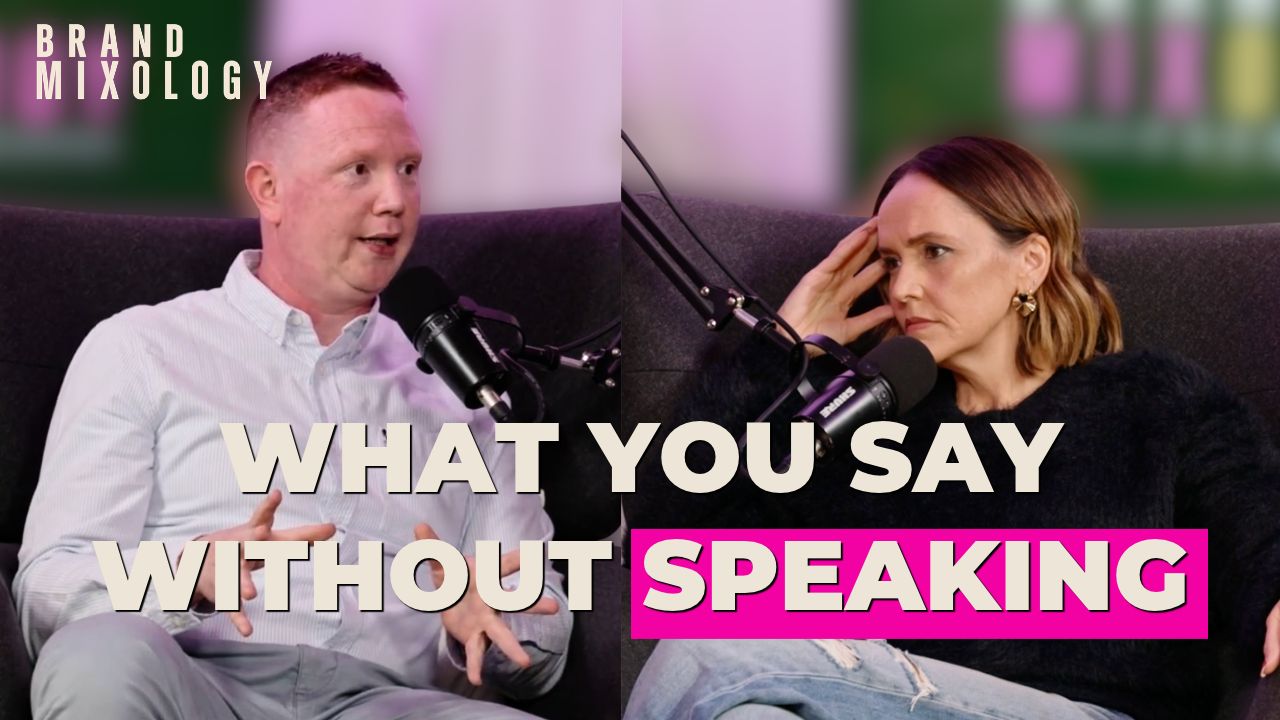
Inside the episode

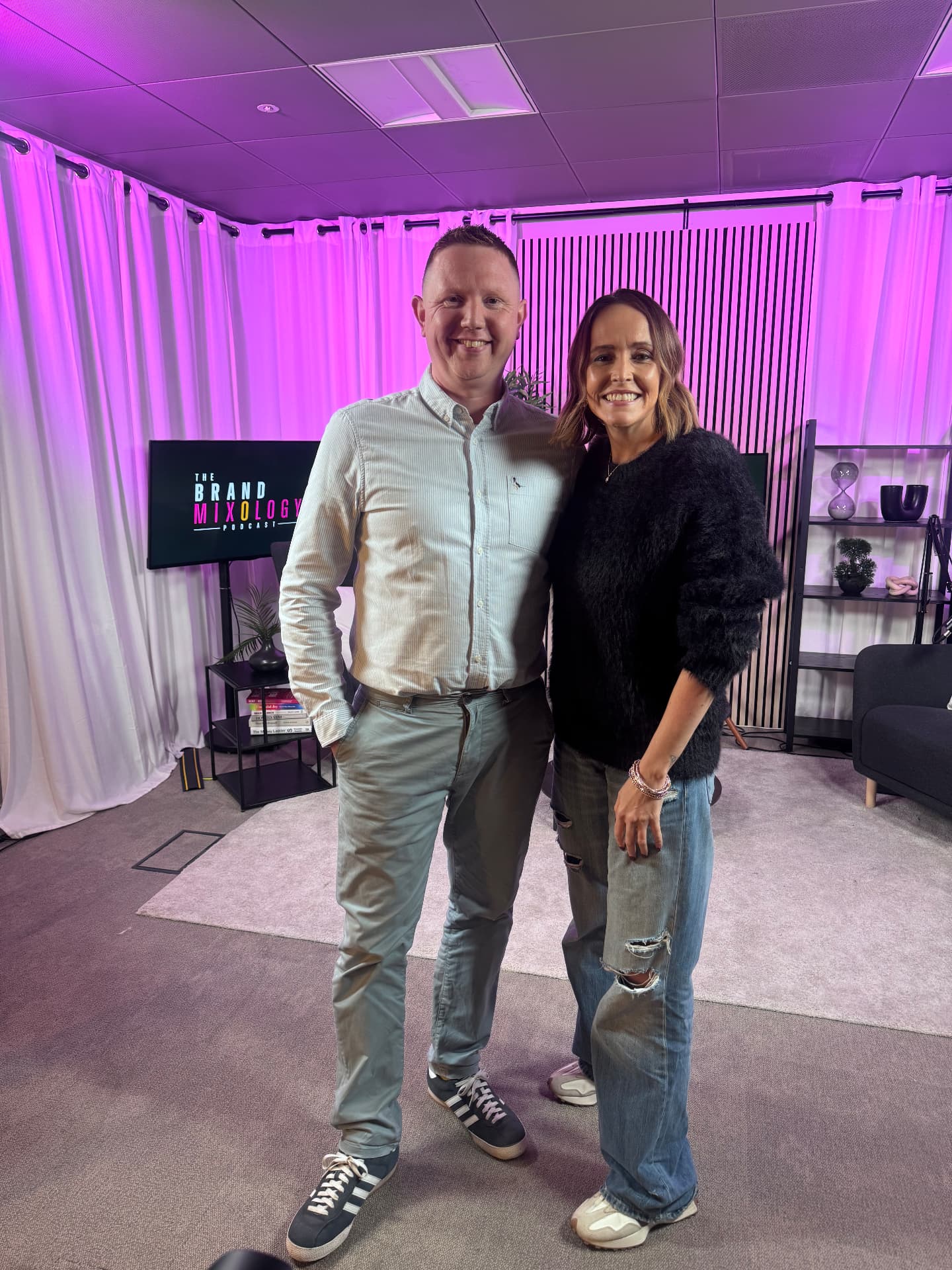
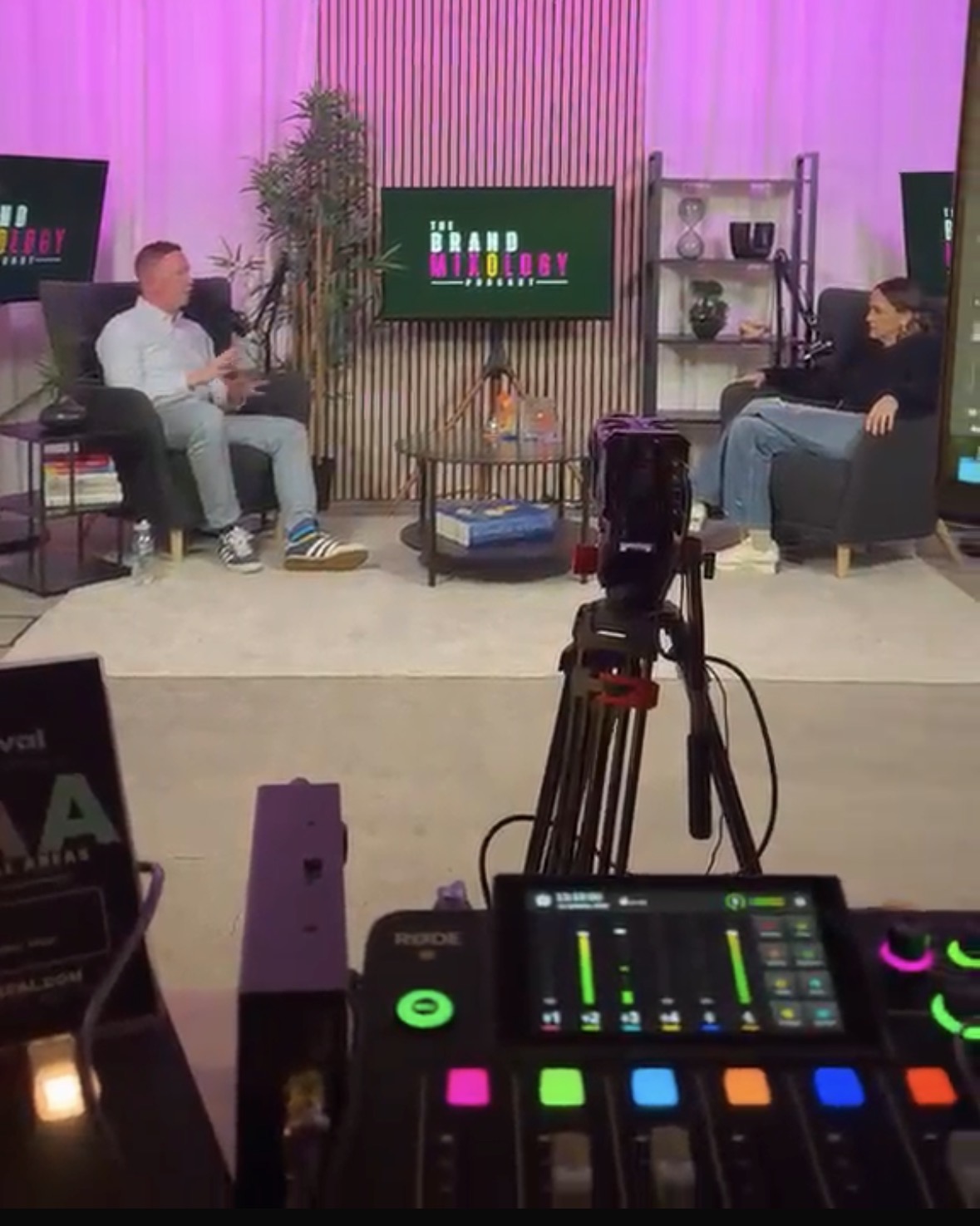
From physio to non-verbal behaviour
Danny's journey wasn't a planned one. The polished version is simple: he worked as a physio, studied the body, started studying non-verbal behaviour and then began to teach it. The real story is a lot more personal.
Making friends always came easily, but anything romantic hit what he describes as an immovable barrier. Rather than tell his first crush how he felt, he gave her pictures of her favourite actor, Leonardo DiCaprio, for weeks. Later came a day out with Swarovski earrings and still not a word. Then, working in a busy physio department, he invited a friend round for dinner and came back into the kitchen wearing nothing but an apron. She asked him to put his clothes on, and his colleagues gave him a new apron as a leaving present.
The session that unlocked everything
By 27, Danny was single, lonely and telling himself he wasn't good enough. He tried talking it through, but going over the hardest moments only made him feel worse. Then he was referred to coach Matt Hudson, who specialises in non-verbal behaviour and trusting the body's signals over the story we tell.
As Matt followed his eyes, breathing, gestures and posture, an image from his parents' divorce surfaced - something he hadn't thought about in nearly two decades. Working through it left him feeling lighter. Ten days later he met his wife. Then he noticed the same pattern elsewhere: he hadn't raised his prices in two years, he was uncomfortable quoting, giving talks or posting on social media. What could be behind those barriers?
When it takes too much force
Danny describes how, before he met his wife, he would try to impress rather than just be himself - like booking an exclusive salsa class for someone who'd danced for 15 years, when he couldn't dance at all. With his wife, it was simply easy to be him.
For founders, he draws a useful line. Some things are uncomfortable because they'll help us grow, and we need to pluck up the courage. Others meet real internal resistance - the excuses, the avoidance, the constant return to square one. If something needs that much force, there's usually an underlying belief, perception or event making us feel that way.
The X equals Y myth
Crossed arms don't automatically mean someone's closed off. Danny puts most body language myths under one umbrella: the X equals Y myth, where one cue is given one fixed meaning. Individual differences and context change everything.
What does help is a cluster. If someone is relaxed while talking about colleagues, then their breathing changes, their posture withdraws and their gestures shrink when one particular person comes up, that's a reason to form an idea - and then ask questions. The cues help us form a hypothesis; our questions find the answer.
The channels that shape how you're seen
Danny walks through the channels we communicate through, from the face and the eyes to our words, posture, gestures, how close we stand and how we dress. Our voice matters too. Name your price with an upward inflection - two thousand pounds? - and it can signal doubt in your own fee. Even posture works both ways: a slouch makes it easier for the brain to find sad words.
Some cues signal warmth, others competence. If you've always found body language hard, learning a few basics can help. But for most people, investing too much in rehearsing the nuances can backfire. Often the bigger lever is underneath.
Who are you being?
Danny broadens the last channel, appearance, into identity. In every moment we're being a version of ourselves. Walk into a sales meeting as the old 'I'm rubbish at sales' version, and it shapes your beliefs, your behaviour and how you're perceived. Get grounded in who you want to be, and you'll show up differently.
Like Todd Herman and his glasses, small sensory anchors - what you wear, something in your environment - can help you step into that version. To build it, write down your negative assumptions and look for counter-evidence until they feel neutral. If you can't find any, look harder. Or use a short version of Dr Demartini's approach: name a trait you admire in someone, then recall moments you've shown it yourself, until you can own it.
Identity in, generalisation on ice
For his word in the success shaker, Danny chooses identity: become aware of who you're being and ask who you want to be in this moment. When you're being that version of yourself, your non-verbal behaviour tends to follow.
On ice goes generalisation. He challenges everyone to a 30-day mental diet - whenever you hear yourself saying always, every, never, no one, constantly or absolutely, especially about something you're struggling with, challenge it and look for the evidence that it's only sometimes. Claire caught herself saying it within a minute.